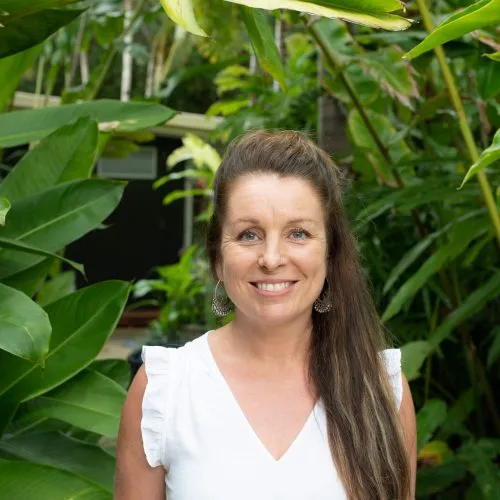
Anita
Registered Psychologist
Anita is a Registered Psychologist, specialising in evidence-based, holistic approaches that are both trauma-informed and solution-focused. Her therapeutic work draws from Schema Therapy, Internal Family Systems, and Acceptance and Commitment Therapy.
With over two decades of personal healing experience, Anita developed a deep interest in the psychological, biological, and social factors that shape human behaviour and emotional wellbeing. This lived experience continues to inform her practice and supports the curiosity, compassion, and empathy she brings to the collaborative space she shares with others.
Anita is committed to creating a safe, accepting, and non-judgmental environment where others feel seen, heard, and supported as they explore patterns, develop insight, and learn practical tools to build meaningful change.
Outside of her work at NC, Anita enjoys live music, creative endeavours, connecting with nature, and spending quality time with her husband and three children.
Get to know Anita
What does wellbeing look like for you, day to day?
Wellbeing, for me, is checking in with how I’m feeling and noticing what’s present by witnessing my parts, their emotions and reactions, with curiosity, care, and compassion, so I can choose action from a place of connection.
What’s one small ritual or practice that helps keep you centred?
I use breath and simple cognitive strategies to regulate my nervous system and re-orient back to myself. This helps me return to the present moment.
Why did you choose to work in this space?
I’m drawn to work that values people’s humanness, especially in moments when things feel hard or messy. I care about creating spaces where people can be met with compassion and curiosity, rather than judgement or pressure to be a certain way.
What’s one thing you wish people understood about recovery?
Recovery can feel like falling apart, but it’s often about coming back to ourselves by meeting and accepting the parts of ourselves that have been shaping our experience with compassion, and taking responsibility for how we move toward our values through connection and awareness of our shared imperfect humanness.