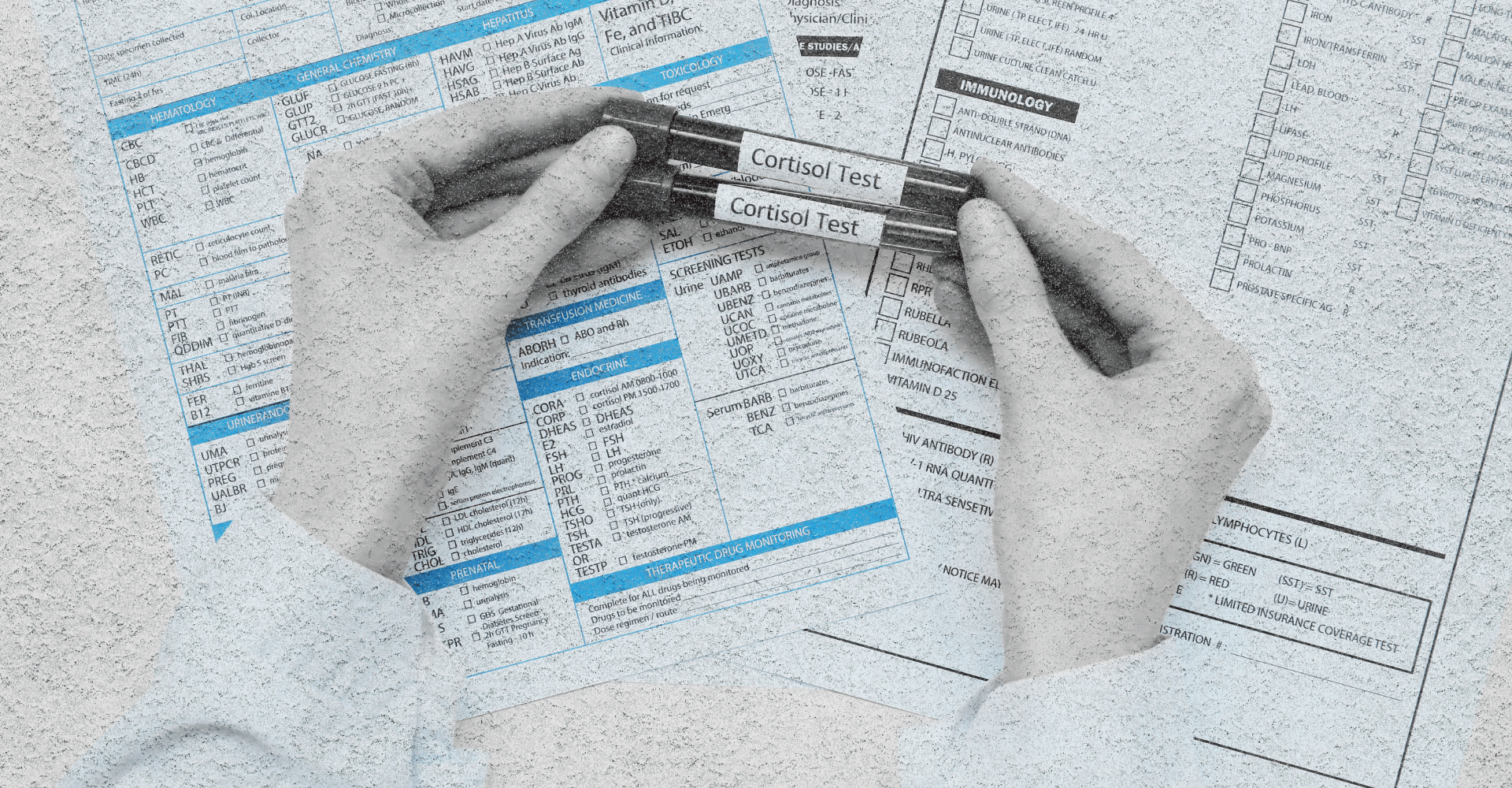
How perimenopause depression, cortisol overload, and low testosterone drive anxiety, low mood, and addiction — and why whole-body treatment changes the outcome.
Anxiety that won't settle. Low mood that doesn't match your life. Exhaustion you can't sleep off. A creeping reliance on alcohol just to get through.
Whether you're navigating perimenopause, living with chronic stress, managing low testosterone, or caught in a cycle of self-medication — these things are rarely as separate as they seem. For many people, they share a single overlooked root: hormone imbalance.
Key takeaways
- Hormonal disruption — from perimenopause, chronic stress, or low testosterone — directly causes the brain chemistry changes that present as depression, anxiety, and burnout.
- Addiction is frequently a response to untreated hormonal distress. Substances temporarily relieve the symptoms, but worsen the underlying imbalance.
- Lasting recovery requires treating the hormonal root cause — not just the psychological symptoms.
Hormone imbalance and mental health: what the research shows
Hormones are chemical messengers that govern mood, sleep, energy, stress response, and cognitive clarity — including inside the brain. When they're disrupted — whether through perimenopause, chronic stress, testosterone deficiency, or gut dysbiosis — the effects can be profound, and are frequently mistaken for depression, anxiety, or burnout.
The Biological Breakdown -
Hormones involved in mental health include:
- Oestrogen acts on the brain's emotion centres.
Along with the hippocampus and amygdala, it regulates serotonin, dopamine, and GABA.
Low oestrogen, whether from perimenopause, postpartum changes, or hormonal disruption, produces symptoms that closely resemble clinical depression and anxiety: persistent low mood, sleep problems, brain fog, and emotional volatility.
- Cortisol is your stress hormone.
Chronically elevated cortisol can cause burnout and adrenal fatigue. It physically alters the hippocampus and prefrontal cortex, impairing emotional regulation and decision-making. Cortisol imbalance is one of the most common and least-assessed drivers of mental health symptoms.
- Testosterone matters for both men and women. Low testosterone is directly linked to depression, fatigue, and reduced motivation.
- Gut health is where up to 90% of the body's serotonin is produced. The estrobolome — a community of gut bacteria — metabolises oestrogen, meaning gut disruption can directly worsen hormonal imbalance and amplify both perimenopausal symptoms and mood disorders.
A major meta-analysis of over 16,000 women found that those going through perimenopause were 40% more likely to experience depression — and this risk wasn't explained by life circumstances or stress alone. It was the hormonal transition itself that created the vulnerability.
These systems don't operate in isolation — perimenopause, chronic stress, low testosterone, and gut disruption can all interact, creating compounding hormonal imbalance that standard treatment rarely addresses.
Hormonal imbalance and addiction: why self-medication makes things worse
When hormones are dysregulated, your brain is in genuine distress — not metaphorically, but physiologically. A brain depleted by low oestrogen, flooded with cortisol, or starved of dopamine through low testosterone will search for relief. Hormonal imbalance and addiction are deeply connected: alcohol and other substances offer short-term relief from the exact symptoms that hormonal disruption produces.
Hormonal imbalance and alcohol use form a vicious cycle. Alcohol lowers testosterone, raises cortisol, disrupts oestrogen metabolism, damages the gut microbiome, and destabilises insulin. Every drink deepens the very hormonal disruption that made relief feel necessary in the first place.
Stimulants flood the brain with dopamine — sometimes ten times more than natural rewards produce. Over time, the brain compensates by producing less on its own, leaving a reward system so depleted that everyday life feels flat and unmanageable without the substance. This is not a willpower problem. It is a biochemical cycle — one that almost never resolves without addressing the hormonal environment driving it.
The relationship runs in both directions: hormonal dysregulation increases susceptibility to addiction in the first place, meaning the endocrine system is not just a casualty of substance use, but often a contributor.
Why effective treatment for hormonal depression needs to address the whole body
Most mental health clinics and addiction programs treat the mind. Fewer treat the body that the mind lives in.
If cortisol is chronically elevated, oestrogen depleted from perimenopause, testosterone low, and the dopamine system dysregulated — therapy and willpower alone can't fully address what's happening biologically. This is why people can complete quality inpatient mental health treatment, do the therapeutic work, and still feel like something fundamental hasn't shifted. Effective hormonal depression treatment, adrenal fatigue recovery, and addiction rehabilitation all require hormonal assessment as a core part of the process — not an afterthought.
It may be worth exploring whether hormonal factors are playing a role if you experience:
- Perimenopause or menopause symptoms alongside depression, anxiety, or mood swings
- Low mood, fatigue, or reduced motivation that may reflect low testosterone or cortisol imbalance
- Anxiety or depression that hasn't fully resolved with psychological treatment alone
- A pattern of using alcohol or substances to manage perimenopause symptoms, chronic stress, or low mood
- Gut issues or digestive changes occurring alongside hormonal or mood symptoms
Scientific Research references
Badawy et al. (2024). Risk of depression in menopausal stages: systematic review & meta-analysis. Journal of Affective Disorders. PMID: 38642901
Knezevic et al. (2023). The role of cortisol in chronic stress and psychological disorders. Cells, 12(23). PMID: 38067154
Leao, Miri & Hammami (2025). Gut microbiota, sex hormones, and mental health. Frontiers in Neuroendocrinology, 76. PMID: 39710079
Maki et al. (2025). Beyond hot flashes: The role of estrogen in brain health. PMID: 41008363
Rachdaoui & Sarkar (2017). Effects of alcohol abuse on the endocrine system. Alcohol Research: Current Reviews, 38(2). PMC5513689
Finn (2023). Gonadal steroids, stress, and alcohol drinking. Frontiers in Neuroendocrinology, 71. PMC10840953