.png)
Most treatment models focus on what is delivered — therapy, clinician, protocol.
Few consider where recovery happens.
That matters.
Research shows environment directly shapes nervous system regulation, emotional processing, and outcomes — particularly in trauma and addiction. Coastal settings are increasingly recognised as clinically relevant.
Key Takeaways
- Nature strengthens treatment effectiveness
It increases engagement, adherence, and long-term outcomes. - Addiction is not just behavioural — it’s a dysregulated system
Trauma is often central, with high overlap between PTSD and substance use driving complexity in treatment (Shirazi et al., 2024). - Environment impacts recovery outcomes
It directly affects regulation, craving, and relapse risk. - Coastal settings support addiction and mental health recovery
They improve stress, mood, and connection.
Where This Fits in Addiction Treatment
Addiction is not just a behavioural issue. It is a dysregulated system — shaped by chronic stress, altered reward pathways, and impaired self-regulation.
For most people entering treatment, trauma is not incidental — it is central. Evidence consistently shows a strong overlap between trauma exposure and substance use disorders, with individuals experiencing PTSD significantly more likely to develop substance dependence and a large proportion meeting criteria for both (Shirazi et al., Am J Lifestyle Medicine, 2024).
14×
more likely to develop a substance use disorder if you have PTSD
Shirazi et al., Am J Lifestyle Med, 2024
~46%
of people with PTSD also meet the criteria for a substance use disorder
Shirazi et al., Am J Lifestyle Med, 2024
This reflects a shared underlying mechanism: a nervous system that has lost the ability to regulate effectively.
Substances become a way to manage that state — to numb, stimulate, or stabilise what the system can no longer do on its own.
Recovery, then, is not just about stopping use. It is about restoring regulation.
This is where environment becomes clinically relevant.
Natural environments — particularly coastal settings — support down-regulation, reduce cognitive load, and create the physiological conditions required for emotional processing and behaviour change.
It doesn’t replace treatment. It makes treatment more effective.
This is why integrated approaches — ones that address both conditions simultaneously — are now considered best practice. Nature-based interventions are increasingly studied as a valuable complement, because they can support engagement and reduce symptoms across both conditions at once.
Natural environments support recovery outcomes
Natural environments directly influence key drivers of recovery — particularly craving, mood, and engagement. Even short exposure matters. A 2024 study found that just one hour in a natural setting significantly reduced cravings compared to urban or indoor environments (Benvegnù et al., Frontiers in Psychology, 2024).
Coastal environments appear especially effective. “Blue space” research shows that water-based settings combine sensory regulation, movement, and social connection — improving wellbeing, resilience, and social functioning across trauma, mental health, and addiction populations. Across 33 studies involving over 2,000 participants, activities such as surfing and ocean-based programs were consistently linked to stronger mental health and recovery outcomes (Britton et al., Health Promotion International, 2020).
"Blue space interventions produced consistent improvements in mental wellbeing, self-esteem, resilience, and social connection — including in people with PTSD, depression, and addiction."
This sits within a broader evidence base. A 2024 review found most studies report positive effects of nature-based interventions not only in addiction treatment, but also in prevention and reduced substance use overall — with approaches like horticulture and nature-based therapies showing consistent benefit (BMC Public Health, 2024).
Natural environments, and coastal ones in particular, support the neurological, psychological, and social conditions that recovery requires. They are not a replacement for clinical care — but the research is clear that where recovery happens is part of treatment, not separate from it.
—-----------—-----------—---------------------------
Nature-Based Recovery at Noosa Confidential Sunshine Coast
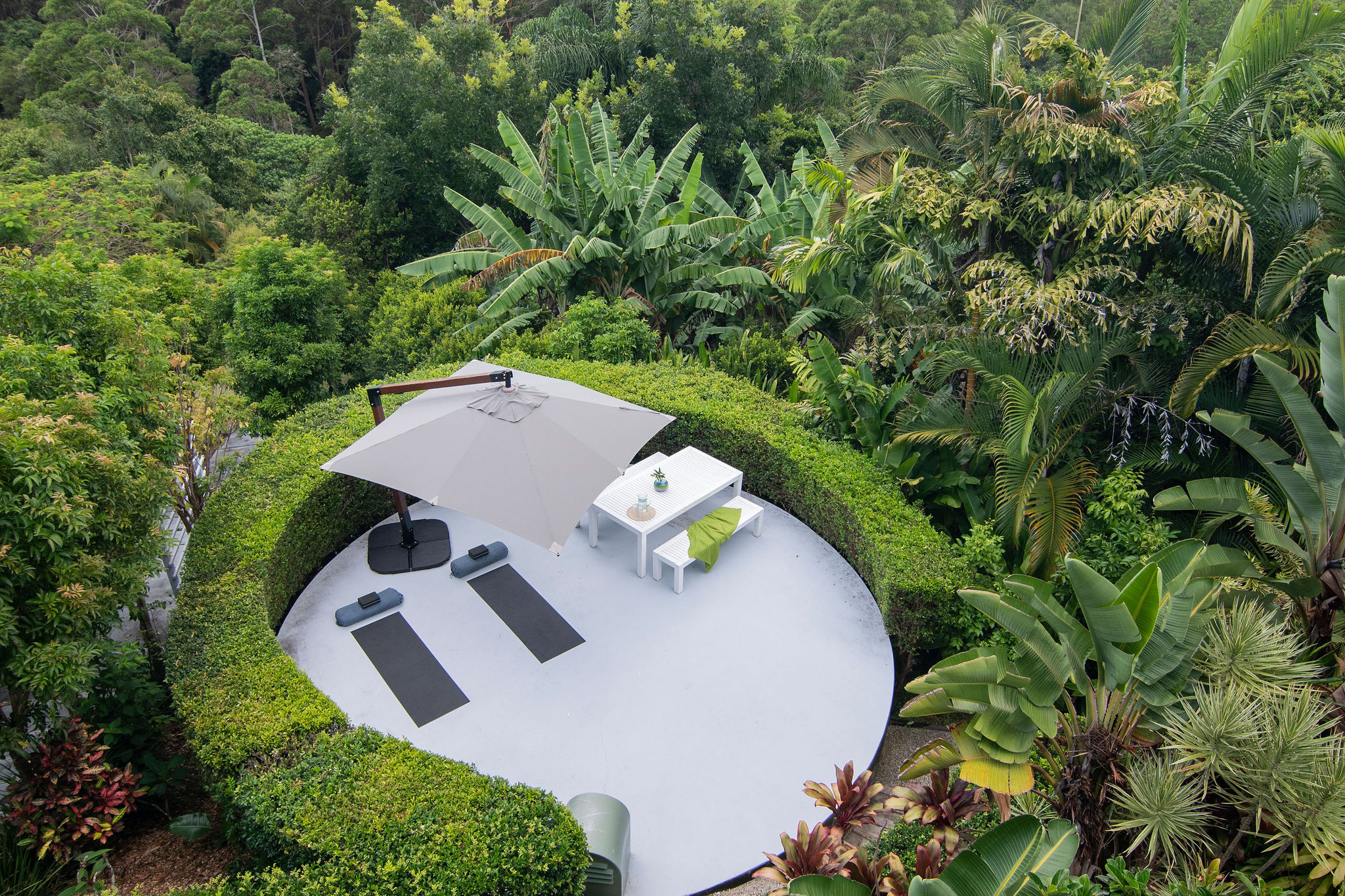
We integrate coastal and natural environments as a clinically informed component of recovery — combining evidence-based addiction and trauma treatment with structured outdoor experiences on the Sunshine Coast. Based in Noosa’s tropical hinterland and minutes from world-class beaches, our setting is intentionally designed to support nervous system regulation, engagement, and long-term recovery outcomes. With activities such as Horse Riding, Nature walking, Surfing, Abseiling and Kayaking, we immerse all patients into nature as part of recovery.
If you’d like to understand how this approach fits into treatment, we’re happy to talk.
—-----------—-----------—---------------------------
Sources:
- Bell, S. L., Phoenix, C., Lovell, R., & Wheeler, B. W. (2015). Seeking everyday wellbeing: The coast as a therapeutic landscape. Social Science & Medicine, 142, 56–67.
- Barton, J., & Pretty, J. (2010). What is the best dose of nature and green exercise for improving mental health? A multi-study analysis. Environmental Science & Technology, 44(10), 3947–3955.
- Benvegnù, G., et al. (2024). Nature exposure reduces craving in individuals with substance use disorder. Frontiers in Psychology.
- Britton, E., Kindermann, G., Domegan, C., & Carlin, C. (2020). Blue care: A systematic review of blue space interventions for health and wellbeing. Health Promotion International, 35(1), 50–69.
- Coon, J. T., Boddy, K., Stein, K., Whear, R., Barton, J., & Depledge, M. H. (2011). Does participating in physical activity in outdoor natural environments have a greater effect on physical and mental wellbeing than physical activity indoors? A systematic review. Environmental Science & Technology, 45(5), 1761–1772.
- Shirazi, F., et al. (2024). Trauma and substance use disorders: A review of co-occurrence and treatment implications. American Journal of Lifestyle Medicine.
Systematic Review. (2024). Nature-based interventions and substance use outcomes. BMC Public Health.