Skinny is back
After years of “love your body” and body positivity, our culture appears to have swung remarkably quickly towards celebrating weight loss again.
Only this time, skinny feels genuinely achievable — not because of another fad grapefruit diet, but because there are medications that work.
GLP-1 medications can be enormously valuable when used for the right reasons and properly monitored. Used without that care, the risks are real. You can read more about those concerns in healthdirect’s guide to weight-loss medicines.
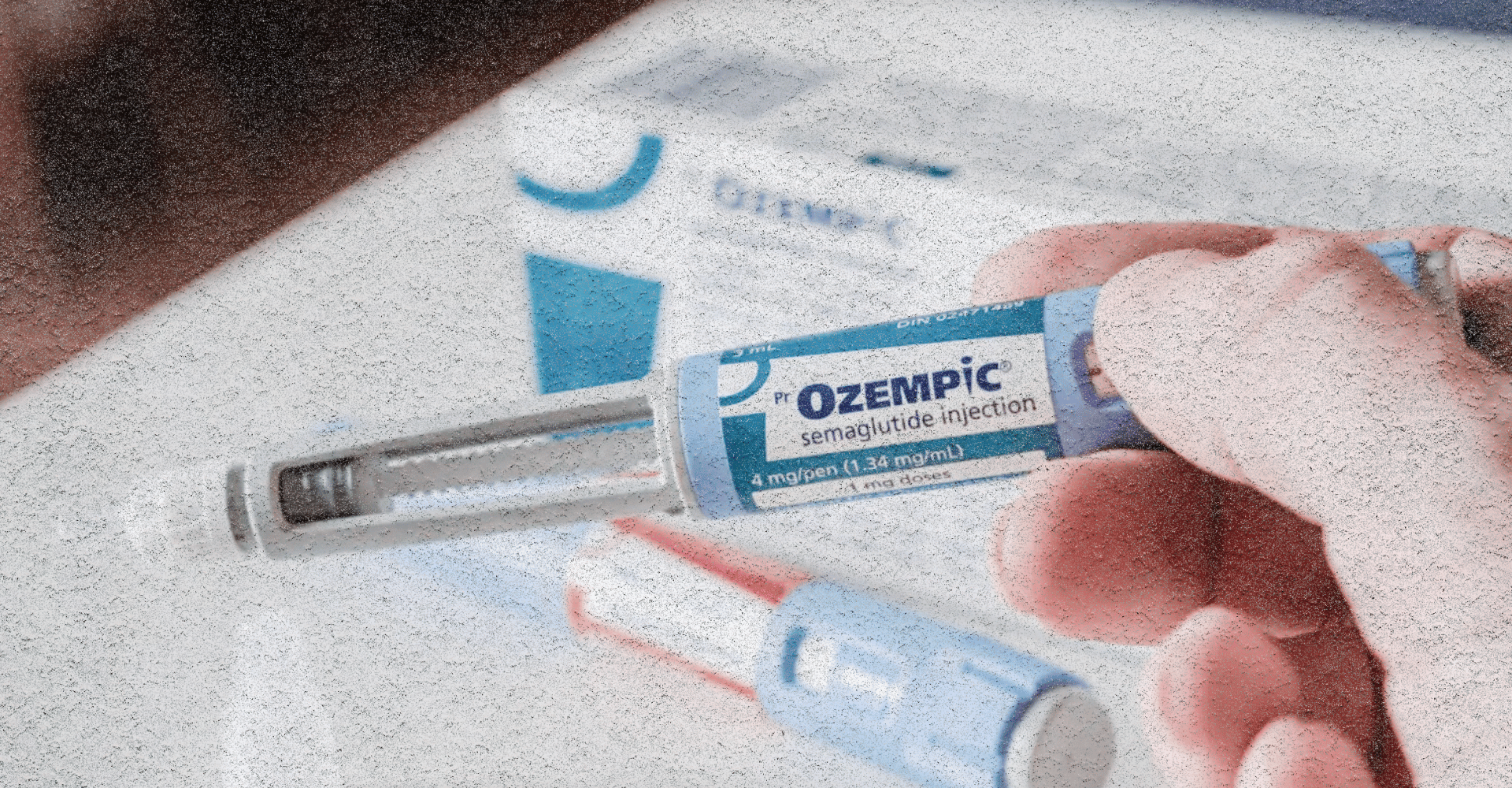
But something else has happened alongside that medical progress. Weight-loss injections have entered popular culture. Thinness is becoming aspirational again. Celebrity transformations become headlines. Before-and-after images fill social media. And interest in these medications now extends well beyond a straightforward clinical conversation about obesity treatment.
That deserves our attention. Not because weight loss is inherently problematic, but because culture influences behaviour — and our culture has a long and complicated relationship with both thinness and the quick fix.
The quick fix
The quick fix isn’t new. The bump. The drink. The smoke. The pill. The peptide.
They are obviously not medically equivalent. The comparison isn’t between the substances. It’s between the question we sometimes ask of them:
We see versions of this constantly in addiction treatment. Stress. Anxiety. Loneliness. Exhaustion. Boredom. Insecurity. Discomfort.
A substance or behaviour can become remarkably effective at changing an internal state. And effective is the important word.
If something didn’t work — at least temporarily — people wouldn’t keep doing it. The problem comes when removing the discomfort is mistaken for resolving what created it. Weight-loss medication gives us an interesting new version of that conversation. Because if the tool works, the question becomes: what are you doing with the opportunity it gives you?
What existed before the injection?
For someone carrying excess body fat, losing weight may be an important part of improving their health. But weight is still only one part of a person.
Medication can change appetite and food intake remarkably effectively. It cannot automatically answer those questions for you. And this question isn’t only relevant to people using GLP-1 medication as part of medically indicated obesity treatment.
It matters in a culture increasingly interested in the outcome — smaller — regardless of what existed before it.
Where do eating disorders — and cultural pressure — fit into this?
This is where the conversation becomes particularly important during Eating Disorders Awareness Week. What does this new era of weight-loss medication mean for people who have — or are vulnerable to — disordered eating? And what does it mean for people who don’t necessarily need to lose weight, but increasingly feel that they should?
Right now, the responsible answer is that we don’t fully know.
Early research suggests GLP-1 medications may reduce binge eating and food cravings for some people. But we still know surprisingly little about their effects in people with current or previous eating disorders, and researchers are calling for better assessment as their use grows (Jebeile et al., 2026; Barrett et al., 2026).
But diagnosed eating disorders aren’t the only vulnerability worth considering. Not everyone comparing themselves to increasingly thin bodies online, in the media or in popular culture has excess weight to lose. Not everyone vulnerable to those images will meet the criteria for an eating disorder. Some people will simply be living in a culture that has changed the standard again.
Someone’s history with food, bingeing, restriction, weight, control and coping is relevant clinical information. So is the culture they’re living in.
We should be curious about what happens when people vulnerable to comparison, body dissatisfaction or disordered eating are exposed to both a rapidly changing body ideal and a powerful tool capable of helping them pursue it.
That’s not an argument against the medication. It’s an argument for understanding the person using it.
Smaller isn’t the whole goal
There is another problem with making the number on the scale our primary measure of success.
Weight loss and health aren’t exactly the same thing. Losing excess fat can improve health. But when significant weight comes off, fat isn’t necessarily the only tissue being lost.
A 2026 review of 20 clinical trials found that around a quarter to a third of the weight lost with GLP-1 and similar medications was lean mass, not fat. Importantly, this wasn’t unique to the medication — people losing weight through lifestyle changes also lost lean mass. Resistance training helped protect more of it (Eisa & Barood, 2026).
Which changes the question.
In a world of skinny, be strong
Maybe that’s the counterpoint this cultural moment needs. Not another argument about whether skinny is good or bad. Not “strong is the new skinny.” And certainly not another body ideal for everyone to chase.
Capacity. A body capable of carrying you through your life. A relationship with food that isn’t entirely governed by restriction, reward or shame. Ways of coping that don’t depend on immediately removing every uncomfortable feeling.
Strength. Movement. Nutrition. Sleep. Psychological insight.
At Noosa Confidential, these aren’t separate conversations. Exercise physiology isn’t an optional extra once the “real” psychological work is finished. Neither is nutrition. They’re part of treating the whole person.
Because changing a body is one thing. Building health is another.
The tool isn’t the work
Medicine should keep developing better tools. And when a medication is clinically appropriate and improves someone’s health, that is a good thing. We’re not suspicious of the tool. We’re suspicious of mistaking the tool for the work.
Because this conversation exists well beyond weight. The pill can change the symptom. The injection can change the appetite.
Sometimes those interventions are exactly what a person needs. But none of them can automatically teach you who you are, how your body works, why you behave the way you do, what you reach for when you’re uncomfortable or how to build a healthier life around yourself.
Perhaps that’s the more interesting question in this new skinny era. Not simply: how small can we become? But: what are we becoming stronger at along the way?